Tochigi Prefecture
Inland prefecture in Kantō, home to Nikkō's UNESCO shrines.

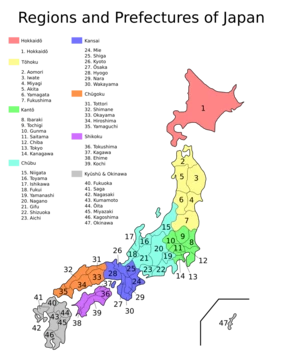
Tochigi Prefecture (栃木県, Tochigi-ken) is an inland prefecture of Japan located in the Kantō region of Honshu. It is one of only eight inland prefectures and its mountainous northern region is a popular tourist region in Japan. The Nasu area is known for its onsens, local sake, and ski resorts, the villa of the Imperial Family, and the Nasushiobara station of the Shinkansen railway line. The city of Nikkō, with its ancient Shintō shrines and Buddhist temples, is a UNESCO World Heritage Site. Tochigi Prefecture borders Fukushima, Gunma, Saitama, and Ibaraki Prefectures. Utsunomiya is the capital and largest city.
- Population (2023)
- 1,897,649
- Area
- 6,408 km²
- Capital
- Utsunomiya
- Region
- Kantō, Honshu, Japan
- Known for
- Nikkō UNESCO site, industrial complexes, strawberries
Verified Timeline
Lore & Background
Before the Meiji Restoration, Tochigi was known as Shimotsuke Province. In the early 15th century, the Ashikaga Gakkō, Japan's oldest school of higher education, was re-established in the prefecture, holding over 3,000 students by the 16th century. Saint Francis Xavier introduced Ashikaga to the world as the best university in Japan. In the early 17th century, after the death of shōgun Tokugawa Ieyasu, the Nikko Tōshō-gū shrine was built in Nikkō in 1617 on what the shōguns thought of as holy ground to protect and worship Ieyasu. Its establishment brought Nikkō to national attention. Ieyasu's successors as Tokugawa shogun developed the Nikkō Kaidō and acquired lavish processions to worship Ieyasu. In the late 19th century, the Tokugawa shogunate fell and the new government established the prefectures. The prefectural capital was established in the city of Tochigi after the unification of Utsunomiya Prefecture and Tochigi Prefecture in 1873. By 1884, however, the capital was transferred to Utsunomiya.
Reader's Guide
Tochigi Prefecture holds historical significance as the site of the Ashikaga Gakkō, Japan's oldest institution of higher education, and the Nikko Tōshō-gū shrine, a major Shintō shrine built to honor Tokugawa Ieyasu. The prefecture's capital, Utsunomiya, is famous for its many gyoza specialist shops and hosts one of the largest shopping malls in the North Kantō region, Bell Mall. Tochigi is also an industrial hub, home to the Kiyohara Industrial Complex, one of the largest inland industrial complexes in the country, with vehicle parts and accessories as primary products. Agriculturally, it is known for strawberries, Chinese chives, and Japanese pears. The prefecture's natural parks, including Nikkō National Park and Oze National Park, cover 21% of its land area. Following the Fukushima Daiichi nuclear disaster in March 2011, levels of radioactivity in Utsunomiya were 33 times higher than normal. The Twin Ring Motegi circuit hosts the only IndyCar race outside the United States, as well as Super Formula and motorcycle races.
Did You Know?
- Tochigi is one of only eight inland prefectures in Japan.
- The Ashikaga Gakkō, re-established in the early 15th century, held over 3,000 students by the 16th century and was introduced by Saint Francis Xavier as the best university in Japan.
- The Cedar Avenue of Nikkō, lined with about 13,000 400-year-old Japanese Cedars for roughly 35 km, is the longest tree-lined avenue in the world.
- Following the Fukushima Daiichi nuclear disaster in March 2011, levels of radioactivity in Utsunomiya were 33 times higher than normal.
- The Twin Ring Motegi circuit hosts the only IndyCar race outside the United States.
Frequently Asked Questions
Where is Tochigi Prefecture located in Japan?
Tochigi sits inland in the Kantō region of Honshu, making it one of only eight Japanese prefectures without a coastline. It is bordered by Ibaraki to the south, Gunma to the west, and Saitama to the southeast.
What city serves as Tochigi Prefecture's capital?
Utsunomiya is the administrative seat and largest urban center of the prefecture. It sits in the flat southern plains, well below the rugged mountainous terrain that dominates the north.
Why is Nikkō considered Tochigi's most famous landmark?
Nikkō is home to a UNESCO World Heritage Site that weaves together ancient Shintō shrines and Buddhist temple complexes into a single sprawling religious landscape. Its ornate gates, imperial mausoleum, and centuries-old architecture make it one of Japan's most visited cultural destinations.
What crop is Tochigi Prefecture especially known for?
The prefecture is a leading producer of strawberries, most notably the 'Tochiotome' variety that underpins much of Japan's strawberry confectionery and dessert industry. The warm southern plains provide ideal growing conditions for the berries.
What draws tourists to Tochigi's northern mountains?
The rugged north packs together hot spring resorts and ski areas, giving visitors both winter sports and year-round onsen relaxation in one region. This alpine character contrasts sharply with the flat, agricultural south and gives the prefecture two very distinct seasonal experiences.
More in Japanese Prefectures 1-24
Elsewhere in the Japanese Prefectures universe
Spotted an error? Know more?
This is a living reference — every entry is fact-audited, and reader corrections feed straight into our audit queue. Suggest an edit · See this site's audit record